
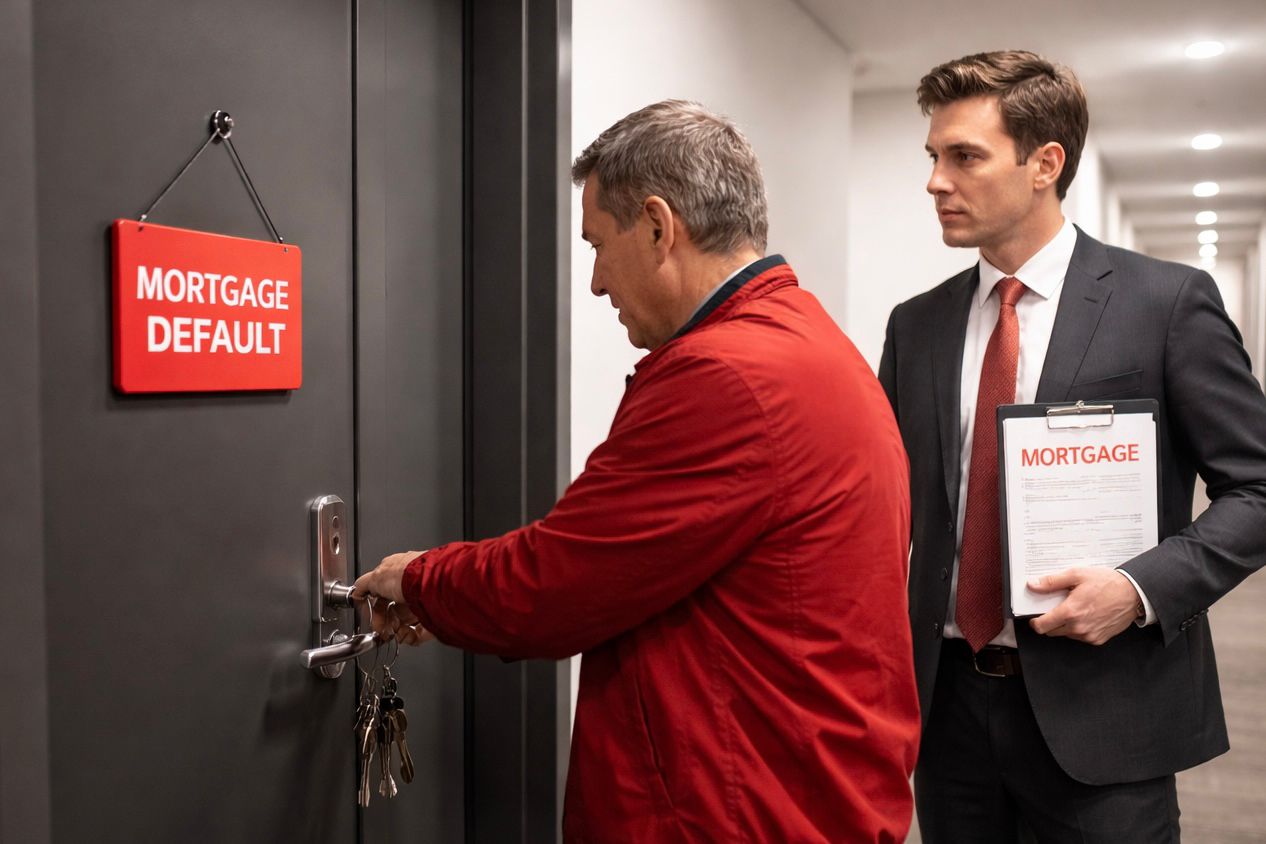
When a unit owner falls into default of their mortgage, the lender (mortgagee) often turns their attention to the condo unit itself. After all, the unit is the asset securing their loan.
When it comes to gaining physical access to that unit, things can get complicated. Condo corporations frequently find themselves caught in the middle, balancing the rights of the mortgagee, the obligations owed to the unit owner, and the potential liability that comes with turning over the keys.
Contractual Rights vs Practical Realities
Most mortgage instruments give the lender a contractual right to access the mortgaged property in certain circumstances, such as default in payment. From the mortgagee’s perspective, this makes perfect sense: they need to protect their security.
Here is the problem. Those rights are private contractual arrangements between the lender and the unit owner. The condo corporation is not a party to that contract. Without a court order or a writ of possession, the corporation risks exposing itself to liability if it facilitates entry.
If the corporation hands over a master key without lawful authority, it could be sued by the owner (or tenant) for trespass, breach of privacy, or even damages if anything is lost or damaged during the lender’s entry.
Why a Writ of Possession Matters
A writ of possession is the gold standard. It is a court order that authorizes the sheriff to deliver possession of the unit to the mortgagee. If a lender presents such a writ, the corporation can cooperate confidently, knowing the mortgagee’s rights have been judicially confirmed.
Without a writ, things are murkier. The corporation must tread carefully. Simply pointing to the terms of the mortgage is not enough to override the corporation’s duties to its owners and residents.
Options for the Corporation
When approached by a mortgagee seeking access, a condo board should consider its options carefully:
- Confirm whether there is a writ of possession.
If yes, the path is clear: comply with the court order. - If there is no writ of possession:
-
- Ask for an indemnity agreement. Some corporations may agree to provide access to the common elements if the mortgagee signs a broad indemnity, promising to defend and cover the corporation for any claims that arise.
-
- Refuse access altogether. This is often the safest route. After all, why should the corporation assume risk for a contractual dispute between lender and borrower?
In either case, boards should consult with their legal counsel before taking action.
Policy Concerns: Shifting Costs to Condos
There is a larger policy question at play. Should mortgagees be permitted to force corporations into this role at all?
Mortgagees sometimes attempt to bring proceedings against corporations to compel access. Is this good policy? Condo corporations already hold master keys for emergencies and building maintenance. Requiring them to become enforcers of private loan agreements creates unnecessary risk and expense.
It also raises the fairness issue: why should unit owners, through their corporation, bear the cost of helping mortgagees enforce their rights? Mortgagees earn interest and profit from their lending activities; they should be responsible for pursuing their remedies directly against the defaulting borrower. Forcing condominiums into the equation only drains common resources and diverts boards from their true mandate, managing the property for the benefit of all owners.
A Practical Framework
Given these considerations, a practical framework for corporations:
-
- Writ of possession? Yes – provide access.
-
- No writ? No automatic access. Consider an indemnity in the face of the threat of litigation, but recognize that refusing access may be the safest course.
Conclusion
Mortgagees have powerful tools to enforce their rights, yet using the condo corporation’s master key should not be one of them, at least not without proper legal authority.
Boards must balance cooperation with caution, ensuring they protect the corporation from liability and unnecessary costs. Ultimately, mortgagees should look to the courts, not condos, to excercise their contractual rights.
When in doubt, speak to your favourite condo lawyer!